Optimal Timing for Balcony Waterproofing
Choosing the optimal time for balcony waterproofing is essential to ensure durability and effectiveness. The right timing can prevent water infiltration issues and extend the lifespan of the balcony structure.
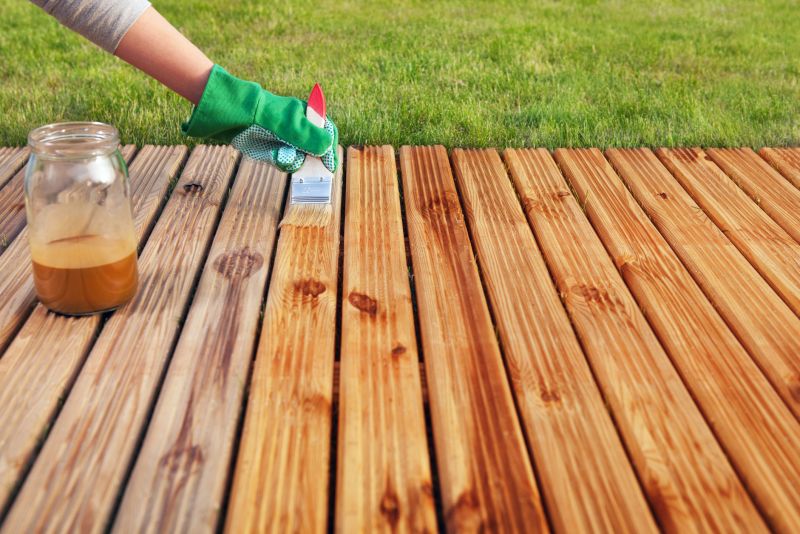
Spring offers ideal conditions for waterproofing, with moderate temperatures and low humidity, allowing materials to cure properly.
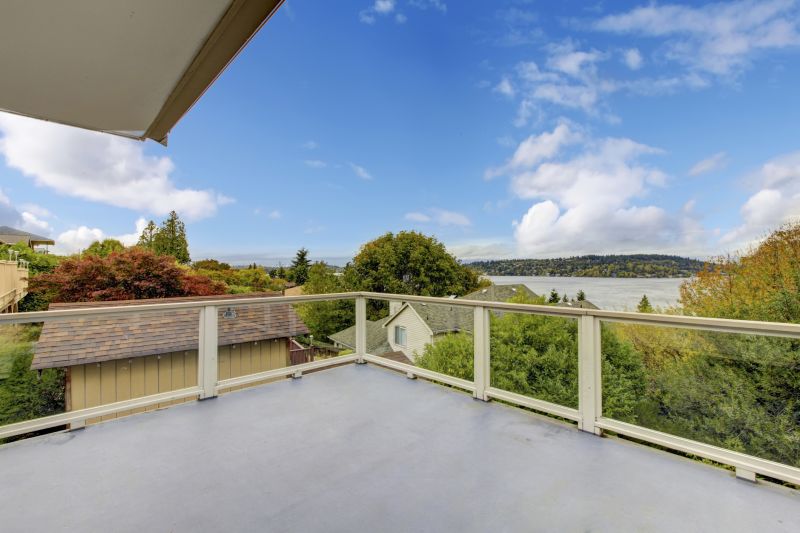
Early summer can be suitable if weather forecasts predict dry, stable conditions, reducing the risk of rain interference.
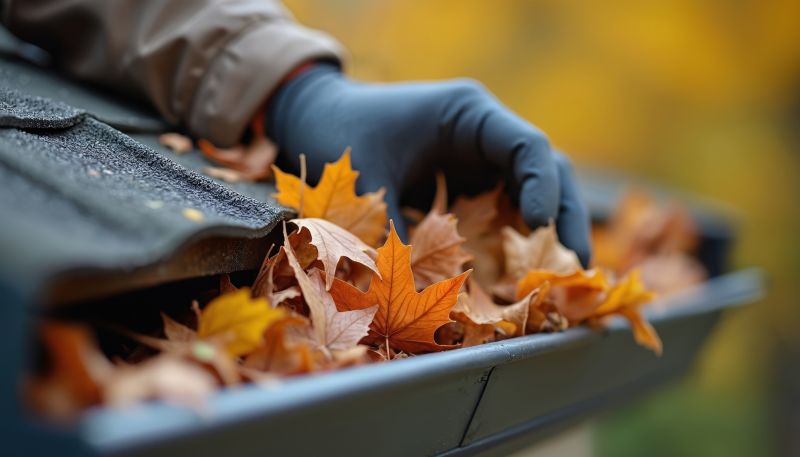
Autumn can be effective if the climate remains dry, providing ample time for waterproofing materials to set before colder weather.
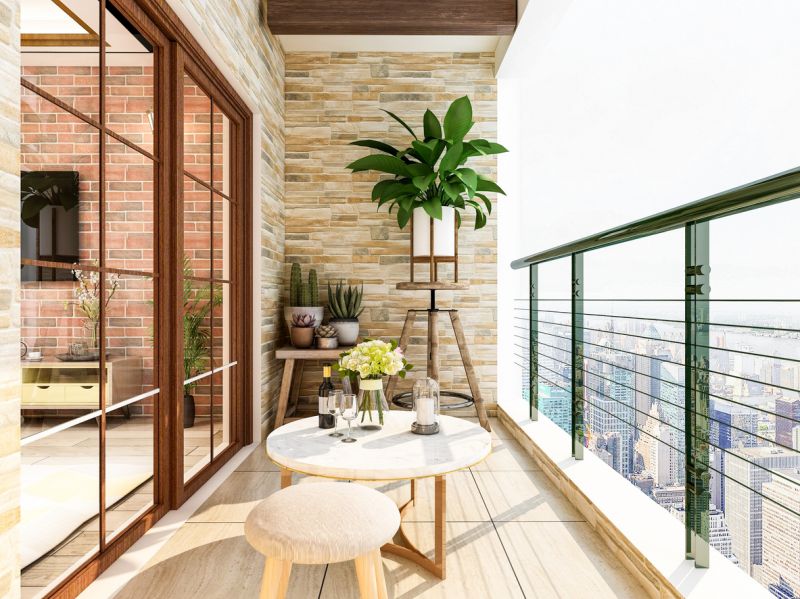
Ways to make Balcony Waterproofings work in tight or awkward layouts.
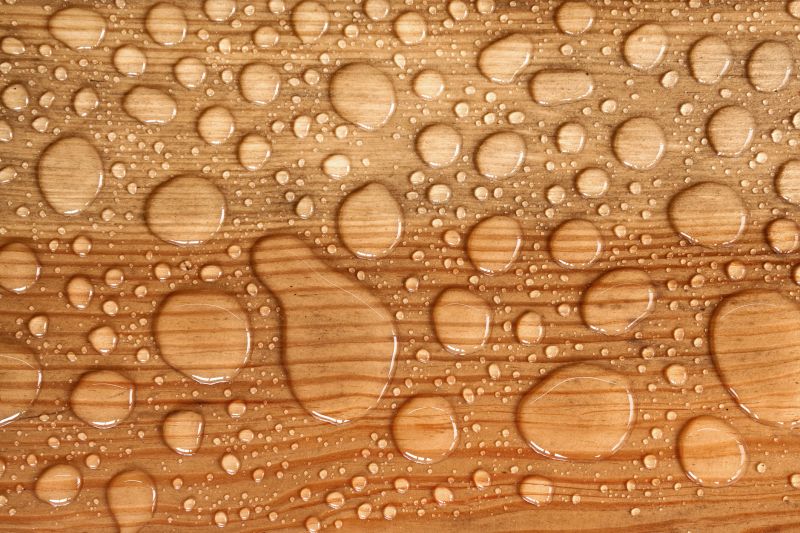
Popular materials for Balcony Waterproofings and why they hold up over time.
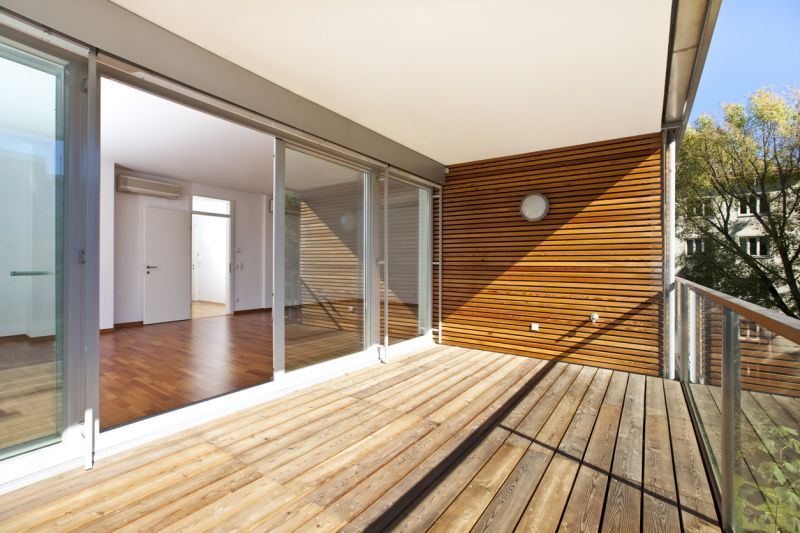
Simple add-ons that improve Balcony Waterproofings without blowing the budget.
Balcony waterproofing involves applying specialized membranes or coatings to prevent water ingress, which can cause structural damage and deterioration over time. Proper waterproofing enhances safety, reduces maintenance costs, and preserves the balcony's aesthetic appeal. Statistics show that balconies without adequate waterproofing are prone to water damage within a few years, leading to costly repairs. Implementing waterproofing during suitable weather conditions ensures the materials bond effectively and last longer.
Applying waterproofing during dry, mild weather ensures optimal adhesion and curing of waterproofing products.
Avoid waterproofing during freezing temperatures or heavy rain, as these conditions compromise the process.
Proper timing can extend the lifespan of waterproofing layers, reducing future repair needs.
Clean and inspect the balcony surface thoroughly before application, ideally during dry periods.
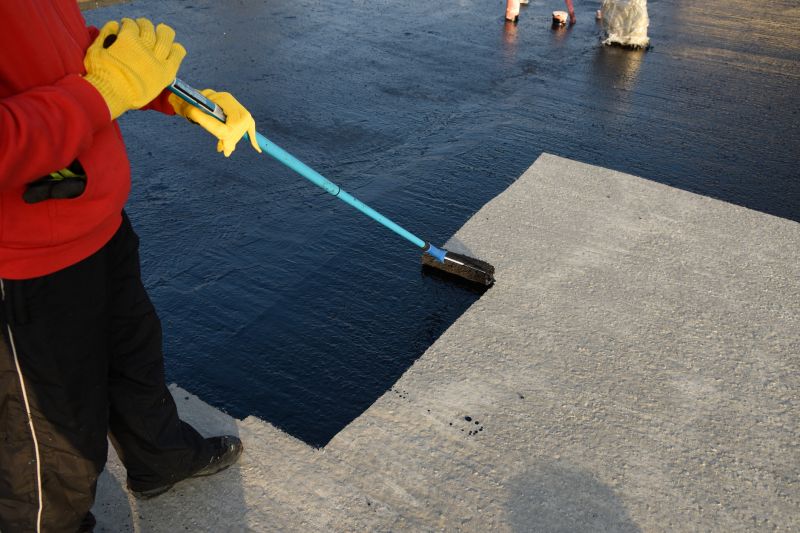
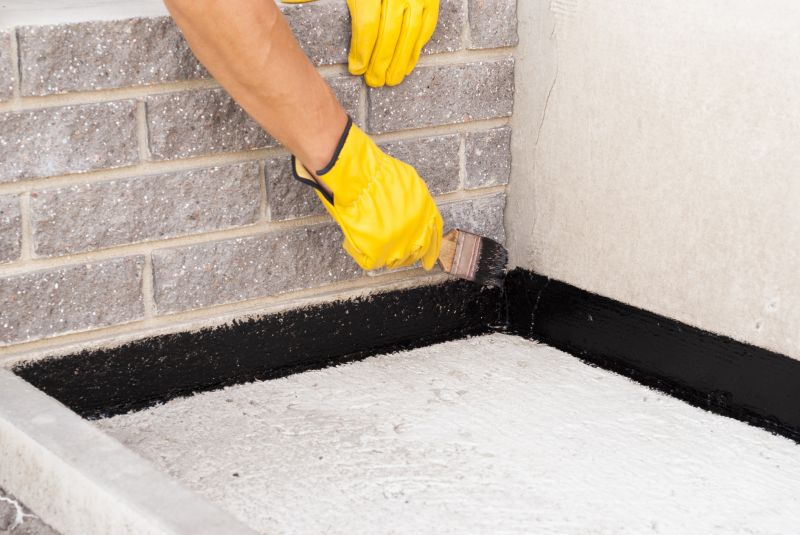
Applying waterproofing membrane on a dry, warm day ensures optimal adhesion.
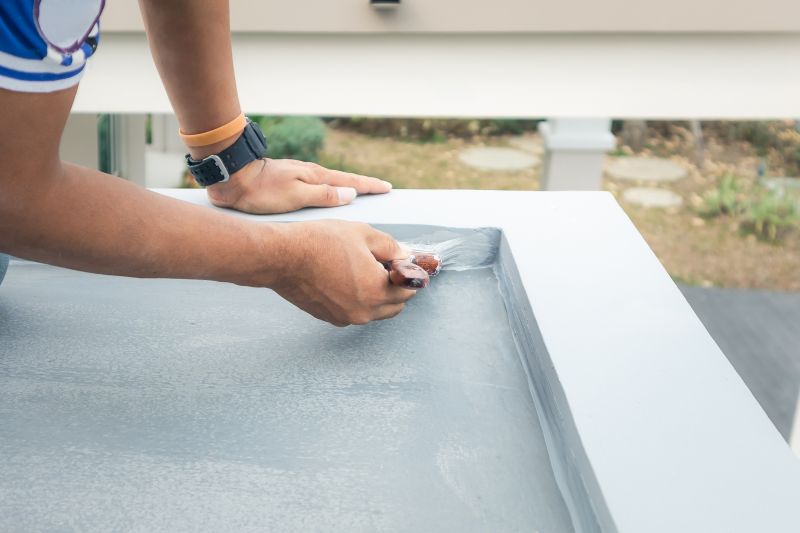
Check weather forecasts to schedule waterproofing during periods of low rain risk.
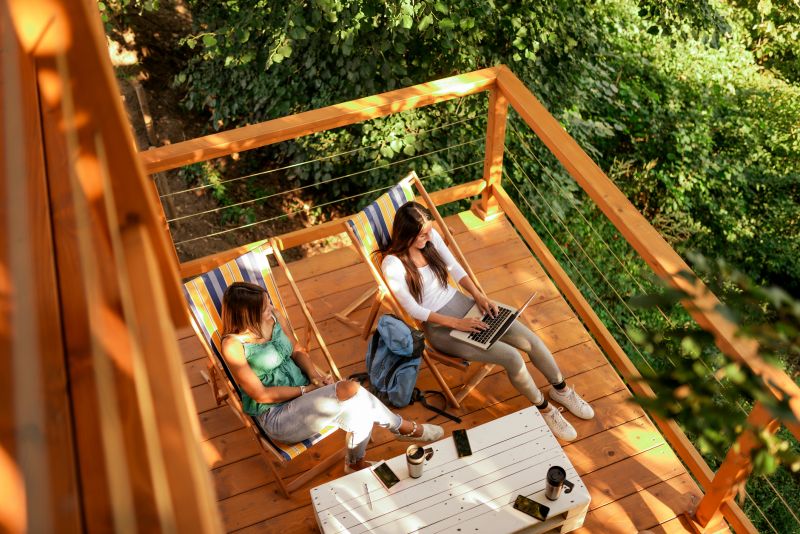
Regular inspections and timely waterproofing during suitable seasons protect balcony integrity.
Allow sufficient curing time before exposure to water or heavy use.
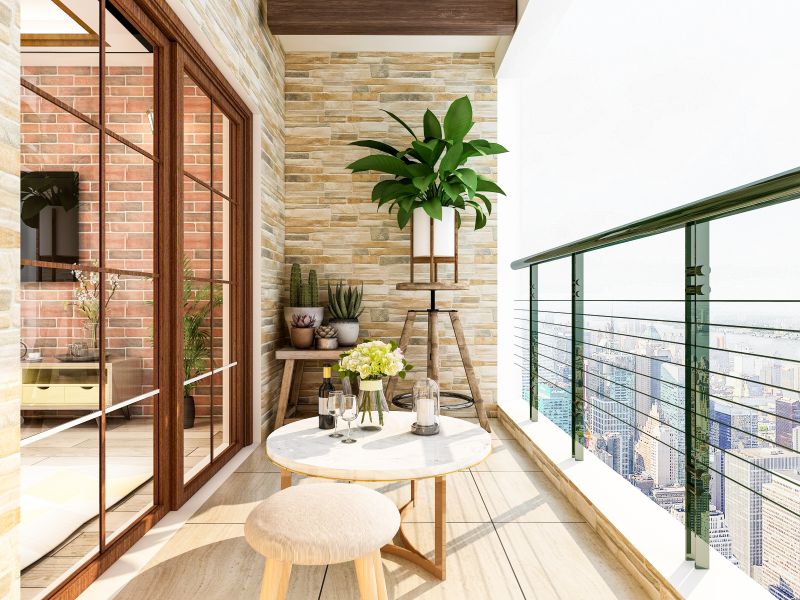
High-end options that actually feel worth it for Balcony Waterproofings.
Finishes and colors that play nicely with Balcony Waterproofings.
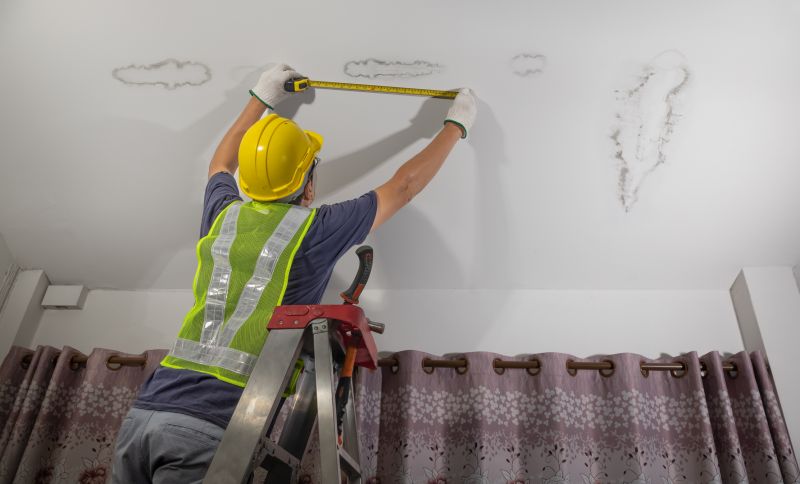
Little measurements that prevent headaches on Balcony Waterproofings day.
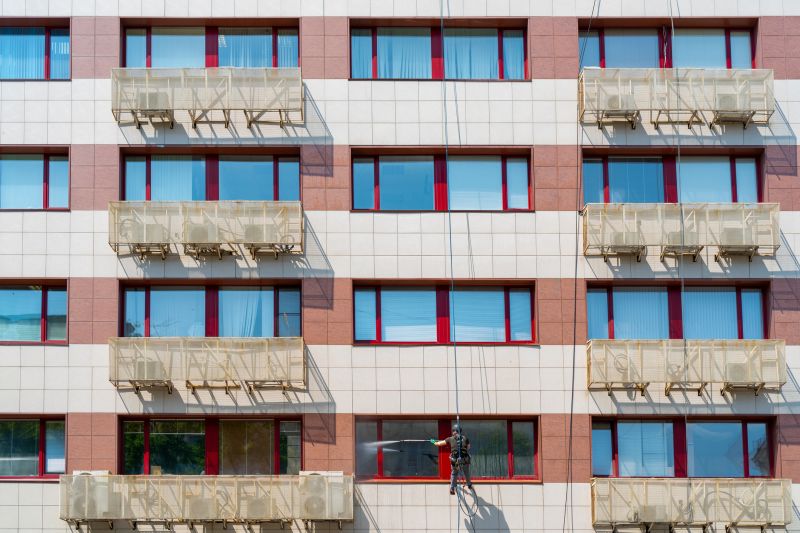
A 60-second routine that keeps Balcony Waterproofings looking new.
| Season | Optimal Conditions |
|---|---|
| Spring | Moderate temperatures, low humidity, dry days |
| Summer | Warm and dry weather, avoid rain |
| Autumn | Dry conditions, mild temperatures |
| Winter | Not recommended due to freezing temperatures |
Proper timing for balcony waterproofing maximizes the effectiveness of materials and ensures long-lasting protection. Weather conditions such as temperature, humidity, and rainfall directly influence the curing process and adhesion quality. Planning waterproofing during the appropriate season can prevent water-related damages, reduce repair costs, and maintain structural safety.
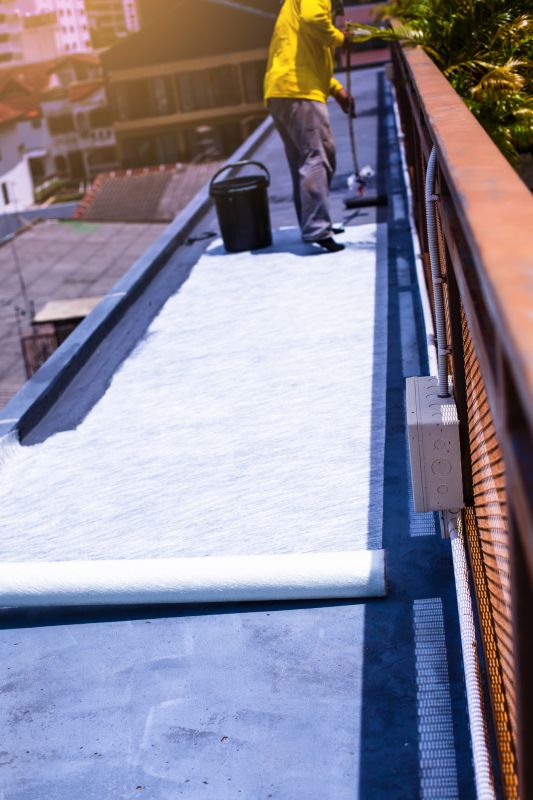
Waterproofing membrane being applied during suitable weather conditions.
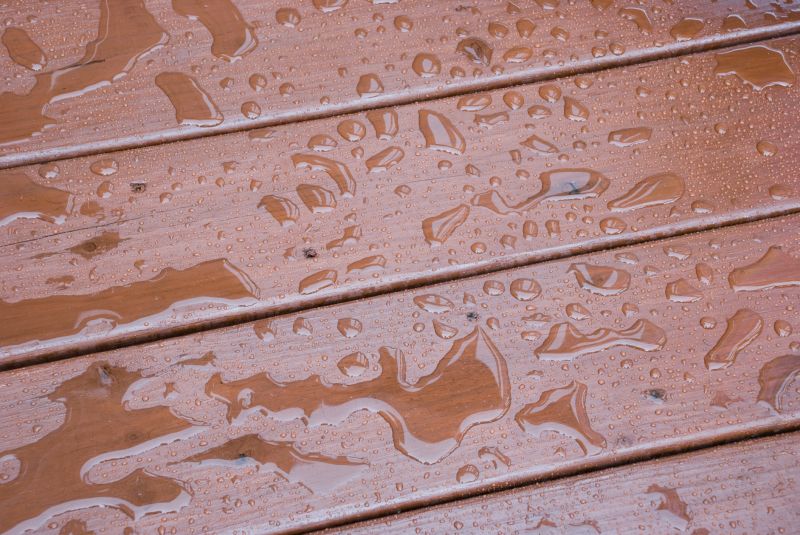
Ensures proper curing and adhesion of waterproofing materials.
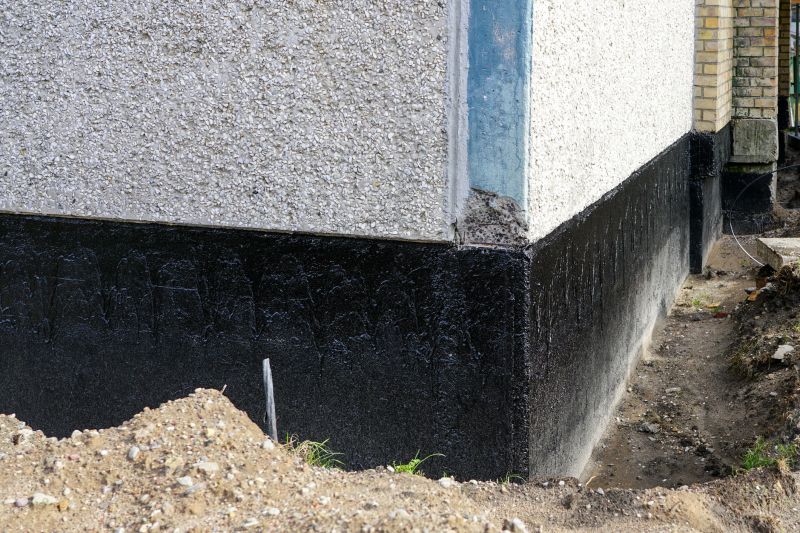
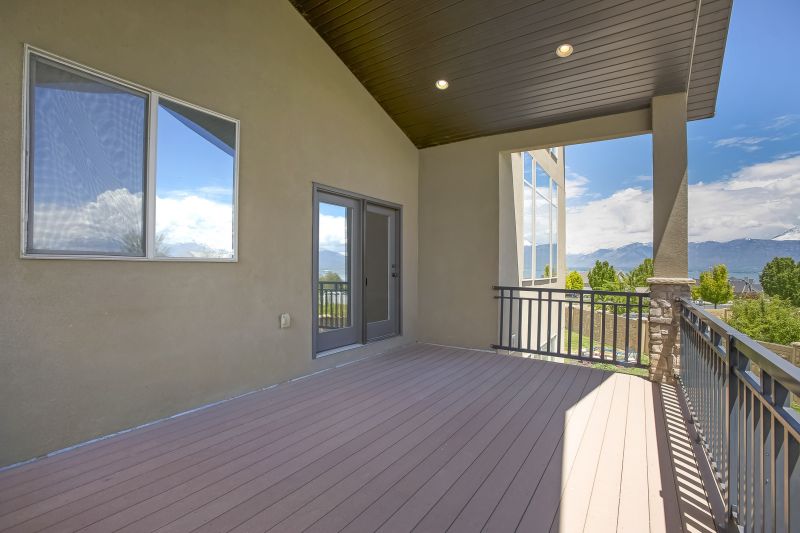
Completed balcony waterproofing ready to withstand weather exposure.
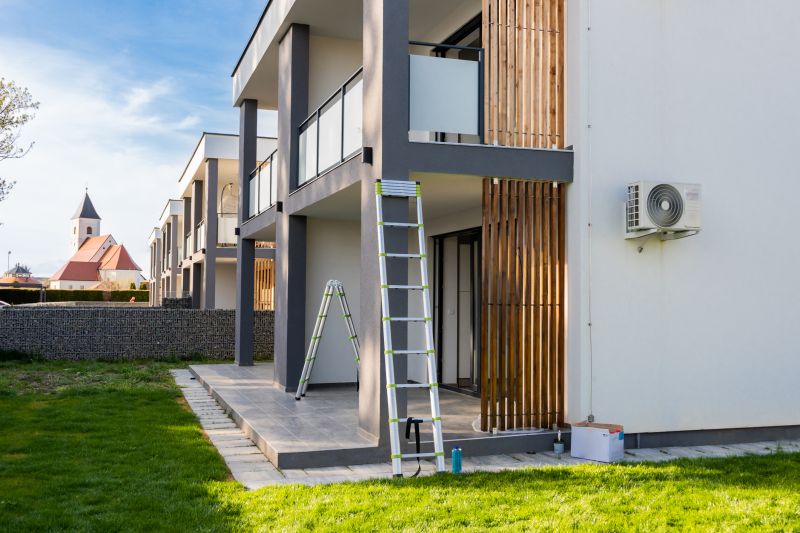
A frequent mistake in Balcony Waterproofings and how to dodge it.
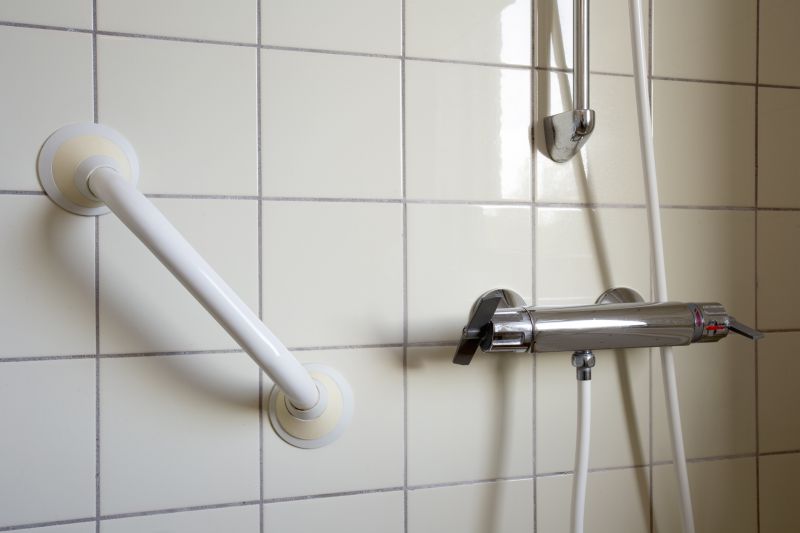
Small tweaks to make Balcony Waterproofings safer and easier to use.
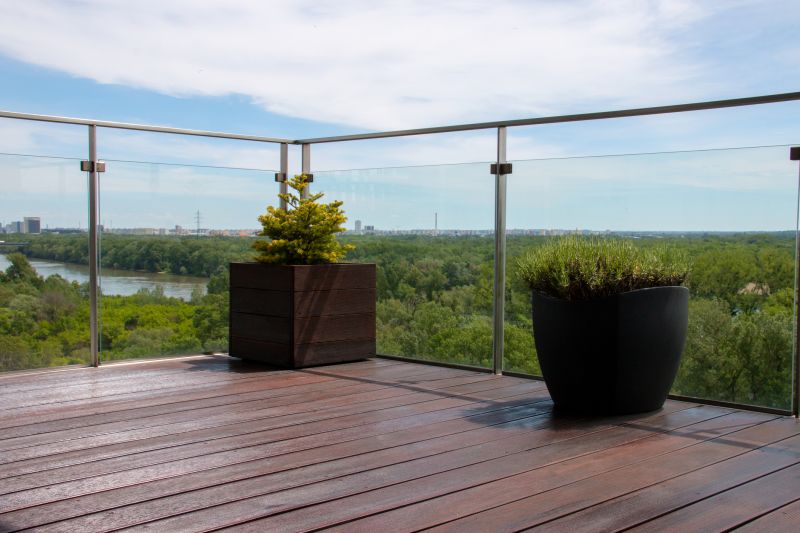
Lower-waste or water-saving choices for Balcony Waterproofings.
Interested in balcony waterproofing services? Fill out the contact form to receive more information and assistance tailored to specific needs.